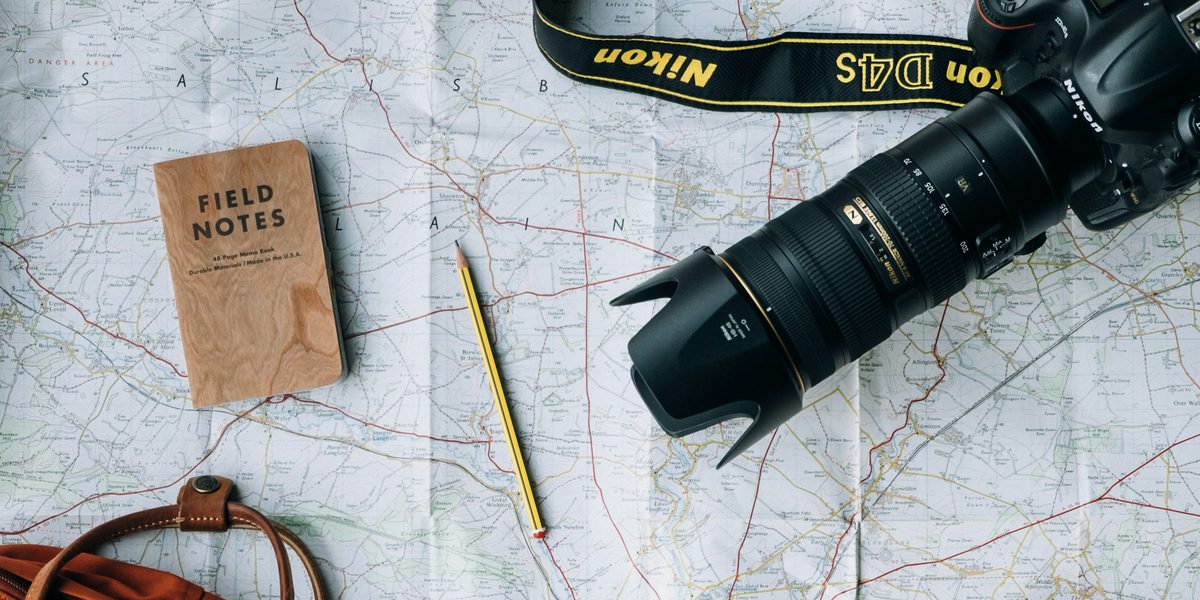
Budget/Backpacker Travel Guide: Kenya
Experience authentic local culture on a shoestring budget with hostels, street food, and public transport
Daily Budget: KES 2,500-10,000 ($20-75) per day
Complete breakdown of costs for budget/backpacker travel in Kenya
Accommodation
KES 800-4,000 ($6-30) per night
Dorm beds in Nairobi hostels and budget guesthouses along the coast tend to be remarkably affordable, though quality swings quite a bit. In Nairobi, you'll find backpacker dorms clustered around the Westlands and CBD areas where the nightly rate gets you a bed, sometimes breakfast, and reliably patchy Wi-Fi. Along the Kenyan coast near Diani or in Mombasa's older quarters, budget guesthouses offer bare-bones rooms where the salt breeze off the Indian Ocean doubles as your air conditioning. Up-country towns like Nanyuki or Nakuru have local boarding houses where the scent of chai simmering with cardamom drifts up from the ground-floor kitchen. Camping is the budget move on safari, and several conservancies on the edges of the Maasai Mara allow you to pitch a tent for a fraction of what a lodge charges, though you'll be falling asleep to the low rumble of hippos in the river and waking to the cool highland air before dawn.
Browse budget/backpacker accommodation →Food & Dining
KES 600-1,800 ($5-14) per day
Eating on a budget in Kenya means eating well, as it happens. Local eateries, which Kenyans call hotels despite having no rooms whatsoever, serve plates of ugali with sukuma wiki and slow-braised beef stew that will keep you full for hours. The smoky char of nyama choma, Kenya's beloved grilled meat, hits you from roadside joints where goat ribs sizzle over charcoal and the cook fans the flames by hand. In Nairobi, the streets around River Road and Tom Mboya fill with the sharp tang of kachumbari, that raw tomato-and-onion salsa that accompanies nearly everything. Breakfast is typically a mandazi or two, those pillowy fried dough triangles dusted in sugar, dipped into milky chai laced with ginger. On the coast, Mombasa's Old Town alleyways carry the warm scent of biryani and coconut-simmered beans. Self-catering from open-air markets like Nairobi's Gikomba or Mombasa's Mackinnon Market keeps daily food costs impressively low.
Transportation
KES 300-1,200 ($2-9) per day
Matatus are the heartbeat of Kenyan transport, those white minivans with conductors hanging from the door shouting destinations over thumping speakers. They connect virtually every town in Kenya for very little. Within Nairobi, matatus and the newer BRT-style buses cover most routes, and you'll hear the metallic clank of the sliding door and the conductor's whistle at every stop. For longer hauls between Nairobi and Mombasa or Nairobi and Kisumu, budget coach companies run overnight services that are surprisingly comfortable. The Madaraka Express train between Nairobi and Mombasa in economy class is a solid deal, and the views of Tsavo's red earth and baobab silhouettes rolling past your window make it worth the five-hour ride. Walking is entirely practical in smaller towns and along the coast.
Activities
KES 500-4,000 ($4-30) per day
Kenya's national park entry fees are the main budget consideration, and they're structured on a tiered system where non-resident rates run noticeably higher than what locals pay. That said, budget camping safaris through the Maasai Mara or Amboseli, typically joining a shared group in a pop-top van, bring the per-person daily cost down considerably. Outside of safari, Kenya has free experiences worth your time: walking along Diani's white-sand shore where the turquoise shallows stretch out warm underfoot, exploring Nairobi's street-art corridors in the CBD, or hiking Mount Longonot in the Rift Valley where the crater rim trail rewards you with views of Lake Naivasha shimmering below. Fort Jesus in Mombasa, a coral-stone fortress that has stood since the sixteenth century, charges a modest entry fee.
Currency: KSh Kenyan Shilling (KES)
Money-Saving Tips
Travel during the green season from April through May or in November. Safari lodge rates drop by roughly 30 to 50 percent. The landscape turns lush and photogenic. Dramatically fewer vehicles crowd the sightings.
Use matatus and the Madaraka Express train instead of domestic flights or private transfers between Nairobi and Mombasa. You'll typically save 70 to 85 percent on that single route alone.
Eat at local Kenyan eateries rather than tourist-facing restaurants near national parks and beach resorts. The same plate of food tends to cost two to three times what it would a few streets away from the tourist strip.
Join group camping safaris rather than booking private vehicle game drives. It spreads the vehicle, guide, and park-fee costs across four to six travelers. That single move can cut your safari budget roughly in half. Smart travelers swear by it.
Use Uber or Bolt in Nairobi and Mombasa. Skip hailing taxis at hotels or airports. Metered ride-hail fares consistently run 40 to 60 percent below what a hotel taxi desk quotes. Save the cash for beer.
Buy a block of data from Safaricom at any M-Pesa agent. Forget hotel Wi-Fi or international roaming. The local bundle costs a fraction of what roaming charges accumulate to over a week. Stay online, stay sane.
Book accommodation well ahead for peak periods around July through October and Christmas. Last-minute safari availability either disappears entirely or commands a steep premium. Plan early, pay less.
Explore conservancies adjacent to major national parks like the Mara or Amboseli. Entry fees and camp rates tend to run lower. You still get comparable wildlife density with far fewer crowds. Win-win.
Common Budget Mistakes to Avoid
Not budgeting separately for safari is the classic Kenya mistake. Safari is by far the largest single expense in Kenya. A three-day Mara safari can easily exceed your entire week's budget for everything else combined. Travelers who don't account for this end up either skipping the defining Kenyan experience or blowing through their funds.
Eating exclusively in tourist zones near national park gates and beach resort strips is a fast way to hemorrhage cash. Restaurants there mark up prices heavily. The same chapati and bean stew that costs a small amount at a local market-side eatery jumps to several times that price at a restaurant catering to safari-goers. Eat local.
Relying on hotel tour desks to book excursions and transfers is convenient but costly. The convenience markup on tours booked through accommodation typically runs 25 to 50 percent above what you'd pay organizing the same trip independently. Do it yourself.
Exchanging currency at airports or hotels is the rookie move. Use ATMs or forex bureaus in city centers instead. They generally offer noticeably better rates. Nairobi's CBD forex bureaus near Kenyatta Avenue tend to give the most competitive exchange. Shop around.
Underestimating national park entry fees is a common trap. They are charged per person per day and use a tiered pricing system. Non-resident rates run significantly higher than citizen rates. Multiple park visits across a trip add up faster than most travelers expect. Budget accordingly.
Explore Other Travel Styles
Ready to plan your trip to Kenya?
Now that you've got the research covered, here's where to go next.