
Things to Do in Kenya in January
January weather, activities, events & insider tips
Shoulder Season · Good Value
January Weather in Kenya
Temperature, rainfall and humidity at a glance
93°F (34°C)
High Temp
75°F (24°C)
Low Temp
2.0 inches (51 mm)
Rainfall
70%
Humidity
Is January Right for You?
Weigh the advantages and considerations before booking
Advantages
- + Wildlife viewing peaks now. The short rains have left the savannahs lush, concentrating herds around permanent water sources like the Mara River. Game drives become exceptionally rewarding.
- + Coastal conditions are near-perfect on the Indian Ocean. The monsoon winds have settled, leaving Diani and Watamu beaches with calm, turquoise water. Daytime breezes take the edge off the heat.
- + Skies clear after morning cloud cover burns off. This offers spectacular, unobstructed views of Mount Kenya and the Aberdares. Sunsets streak the clouds in impossible shades of orange and purple.
- + This is a shoulder month between the peak holiday rush and the onset of the long rains. You'll find better availability at lodges and camps that are normally booked solid. The crowds of December are gone.
Considerations
- − The humidity along the coast and around Lake Victoria can feel oppressive in the afternoons. It's a sticky, breathless heat that saps energy. Siestas become a necessity, not a luxury.
- − While rainfall is lower than other months, those ten rainy days often deliver short, intense downpours. These can turn unpaved park roads into slick, muddy challenges for a few hours. Drive schedules may be disrupted.
- − This is a popular month for regional conferences in Nairobi. Last-minute bookings in the city's better hotels can be surprisingly tricky. Short-term rental prices in neighborhoods like Westlands may increase.
Best Activities in January
Top things to do during your visit
January in Kenya arrives sharp and clear. The equatorial sun, present for most of the day, pours steady, intense light across landscapes, from the baked red earth of Tsavo to the manicured green of Nairobi's suburbs. Locals move with a measured pace, accustomed to the reliable rhythm of heat and the brief, often dramatic, afternoon showers that leave the air smelling of damp soil and blooming acacia. But of settled weather, where plans are made with confidence, and the horizon shimmers in the midday glare. For a visitor, it is a time to embrace the outdoors, to seek the shade of a baobab tree or the cool of the Indian Ocean, and to witness a country in its most consistent and accessible state. The climate data for Kenya shows a notable steadiness. But January sits at the hotter end of the spectrum. Days are predictably warm and nights offer little reprieve, with humidity clinging to the coastal strip while the interior highlands provide some relief. The question of the best time to visit Kenya often hinges on the desire for dry, clear conditions, and January reliably delivers them. This consistency makes logistical planning straightforward, whether arranging an airport transfer or plotting a multi-day safari. It is a practical month for travel, where the primary considerations are sun protection and hydration, and the rewards are unobstructed views across savannas and reefs alive with movement.
Dhow Adventure to Wasini Island and Kisite Marine Park
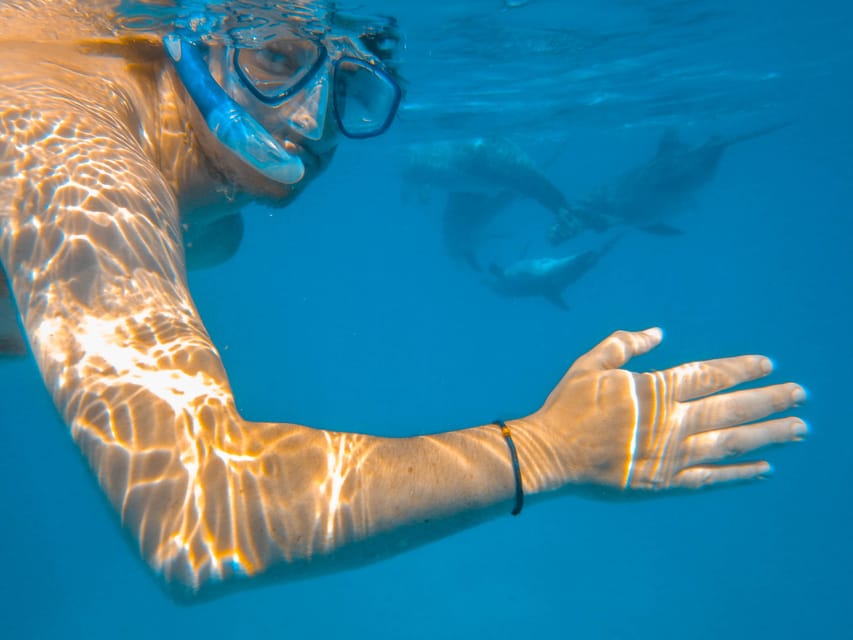
cruiseA traditional wooden dhow, its white sail taut against the ocean breeze, carries you over turquoise water to the protected coral gardens of Kisite Marine Park. You will hear the splash of dolphins riding the bow wave and see the flicker of countless reef fish through a glass-bottom panel. On Wasini Island, a meal of grilled seafood is served under the thatched shade of mangrove poles, the taste of lime and chili sharp in the salty air.
This journey trades the dust of the savanna for the brine of the Indian Ocean, offering a sensory shift into the Swahili coast's rhythm of tide and dhow.
Insider tip: Secure a spot on the portside of the dhow for the best chance of seeing dolphins on the crossing, and bring a waterproof case for your camera, the splash from the bow is part of the fun.

3 days Masai Mara on Private 4x4 Land Cruiser
adventureThe private Land Cruiser becomes your mobile observatory, rolling across plains where acacia trees stand in silhouette against a vast sky. You will feel the vehicle's suspension absorb the rocky tracks and hear the radio crackle with guides sharing sightings of a cheetah on the hunt. Evenings bring the smell of woodsmoke from the campfire and the deep, echoing roars of lions claiming the night.
This private safari delivers an unfiltered, intimate encounter with the Mara's wildlife, dictated by your own curiosity and the guide's expertise, not a fixed itinerary.
Insider tip: Request a vehicle with a pop-up roof for unobstructed 360-degree viewing and photography, valuable during the golden hour before sunset.
From Mombasa: Tsavo East Full-Day Safari
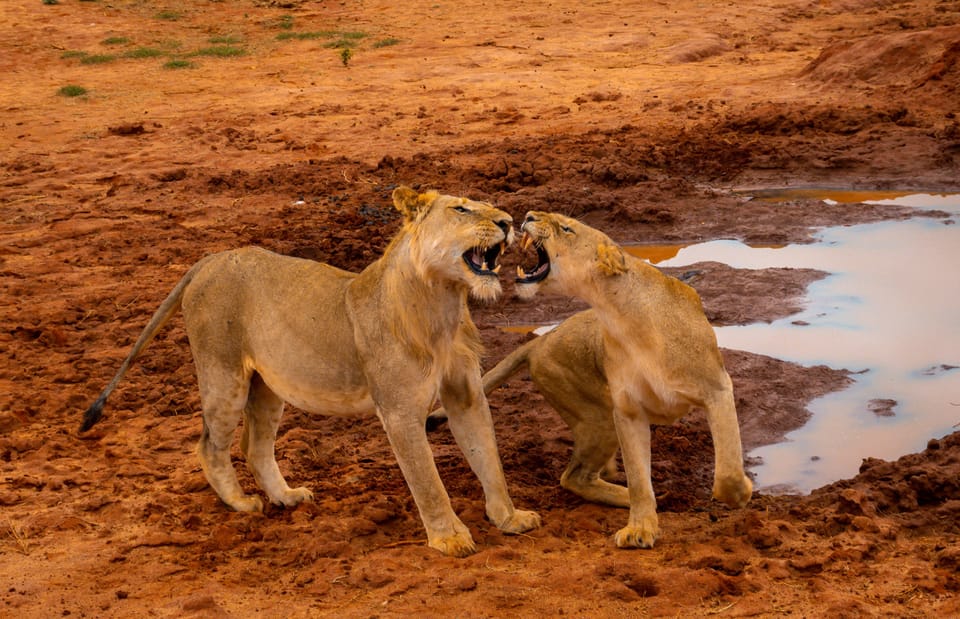
day_tripDeparting from Mombasa, the road north quickly changes from coastal humidity to the arid, red-dust expanse of Tsavo East. You will see the well-known red elephants, stained by the soil, and feel the dry heat radiating from the granite outcrops of Mudanda Rock. The silence of the park is broken by the sudden cry of a fish eagle near the Galana River or the rustle of a herd of dust-coated buffalo.
This full-day expedition offers the most direct route from the coast into the raw, rugged heart of Kenya's largest national park, a stark contrast to the beach resorts.
Insider tip: Wear clothing in neutral, earthy tones to blend with the environment and avoid disturbing wildlife. Bright colors can act as a deterrent.

Nairobi Park Wildlife Safari
otherNairobi National Park presents the surreal spectacle of wild giraffes grazing with a city skyline as their backdrop. The air here carries the scent of dry grass and, occasionally, the musky odor of a nearby rhinoceros. You will hear the contrasting sounds of birdsong from the acacia woodlands and the distant hum of Nairobi's traffic just beyond the fence.
It is the only capital city park in the world where you can reliably see black rhinoceros, lions, and herds of zebra against an urban horizon.
Insider tip: Visit the ivory burning site monument within the park for a sobering and essential piece of modern conservation history, often missed on standard drives.

Masai Mara 3 Days Tour Safari Private 4WD Landcruiser
guided_experienceThis tour immerses you in the daily drama of the Mara, from the misty mornings where you see spiderwebs glistening on the grass to the intense midday scenes at a hippo-filled river pool. The taste of strong, sweet bush tea after a chilly morning drive is a ritual, and the feel of the cool evening air after a day in the sun is satisfying.
It focuses purely on the Mara ecosystem, allowing for deep exploration of different sectors and increased likelihood of witnessing predator interactions.
Insider tip: Pack a warm layer for early morning game drives. The open vehicle and pre-dawn departure can be surprisingly cold despite January's daytime heat.

Safe and Executive Airport transfer in Nairobi
transportAfter the long flight, the first experience of Kenya is often the warm, thick air of the Nairobi arrivals hall. This transfer service cuts through the potential chaos with a cold bottle of water and a clean, air-conditioned vehicle. You will feel the smooth transition from the airport's tarmac onto the busy Uhuru Highway, watching the city's life begin to develop outside your window.
It provides a smooth, secure, and comfortable introduction to Kenya, eliminating the stress of negotiation and unfamiliar roads after a tiring journey.
Insider tip: Confirm your driver's name and contact details in advance, and have a local SIM card or Kenyan shillings ready for any incidental stops you might request.
Where to Stay in Kenya in January
Hand-picked hotels across price tiers for January travellers.

Public Holidays in January
Dates that affect opening hours, transport and crowds
New Year's Day
Observed nationwide as a public holiday.
New Year's Day
Observed nationwide as a public holiday.
Packing Checklist
Bookmark this page — your progress is saved between visits
Need the full list with shopping links?
Climate-specific gear, brand recommendations, and what to leave at home.
View Kenya Packing List →Essential Tips
Insider knowledge and common pitfalls to avoid
Insider Knowledge
Nairobi dining peaks in January. Holiday crowds vanish. Yet Karen and Langata gardens still burst with produce. Track down the farm-to-table spots where salads taste picked minutes earlier.
Book morning hops between parks. Afternoon thermals toss small aircraft and late Rift Valley storms delay flights.
Ditch the hotel buffet one night. Hit a Swahili joint for Tabaaka: whole fried tilapia, coconut rice, kachumbari. Eat with fingers, pay a fraction of hotel prices.
Drive to the Rift lookout on the Nairobi-Naivasha highway, one hour out, at 4 PM. Tour buses gone, escarpment glows gold.
Avoid These Mistakes
Respect sun plus altitude. Equatorial rays at 1,500 m (4,900 ft) scorch faster than you expect.
Pack layers. Safari dawns hit 15°C (59°F) in open vehicles. Chilly.
Limit the circuit. Roads turn two-hour map lines into half-day drives. Two or three parks in ten days beats four rushed stops.
Ready to plan your trip to Kenya?
Now that you've got the research covered, here's where to go next.
Explore More Activities in Kenya
Didn't see anything interesting yet?
Browse Viator's full catalog of tours, day trips, food experiences, and private guides in Kenya.
See All Kenya Tours on Viator