Kenya - Things to Do in Kenya in July

Things to Do in Kenya in July

July weather, activities, events & insider tips

Excellent time to visit Peak Season · Premium Pricing

July Weather in Kenya

Temperature, rainfall and humidity at a glance

77°F (25°C) High Temp
68°F (20°C) Low Temp
2.0 inches (51 mm) Rainfall
70% Humidity
⚠ High UV blasts at altitude. Mount Kenya treks demand SPF 50+ and snow reflection doubles exposure. Lather up. Reapply often. ⚠ Highland weather flips fast. Temperatures can crash 30°F (17°C) in two hours after sunset. Pack layers. Always.

Is July Right for You?

Weigh the advantages and considerations before booking

Advantages
  • + The first crossings start now. Around 1.5 million wildebeest and 200,000 zebra funnel north from Tanzania's Serengeti toward the Mara River in July. Herds of 10,000 animals throw themselves into crocodile-filled water in frantic, self-reinforcing minutes. The sound carries half a kilometer (0.3 miles) across the open plains: hooves on baked earth, deep splashing, the grunts of wildebeest in the current. You know it will be impressive. You're still not ready when it starts.
  • + 25°C (77°F) under clear skies, perfect. The cool, dry highland weather is close to good for game viewing. Daytime temperatures hit that sweet spot. Open-vehicle drives stay comfortable. No mud from long rains. No thick dust haze that settles later in dry season. More practically: the grass is short in July. Grazed and burned down after months without rain. A lion resting in cover 200 m (660 ft) away becomes visible from the vehicle. That same cat simply vanishes in November or April.
  • + Nairobi sits at 1,700 m (5,577 ft) above sea level and hits perfect balance in July. Afternoons hit 25°C (77°F), warm, not hot. Evenings demand a light jacket. The air stays crystal clear, free from the dust haze that'll choke the city later in dry season. South of the city, the Ngong Hills cut sharp silhouettes. Karen's acacia-dotted suburbs look almost hyperreal. The escarpment above the Rift Valley? Razor-edged under July's low-humidity skies. August won't look this good.
  • + July is the month. Mount Kenya and the Aberdare highlands are in dry-season prime condition. The 5,199 m (17,057 ft) peak demands technical climbing. But Point Lenana at 4,985 m (16,355 ft), accessible via the Sirimon or Chogoria hiking routes, remains achievable for fit walkers with the right gear. July's firm, dry trails and the statistical likelihood of clear summit dawns make this the month serious trekkers specifically target. The route up through montane forest and then high moorland is one of the more quietly extraordinary hiking experiences on the continent.
Considerations
  • July in Kenya is peak pain for your wallet. Masai Mara conservancy lodges, those intimate 10 to 20 bed properties with private game drives, night drives, and bush walks, book 6 to 12 months ahead for July. Mid-range Nairobi hotels and airfares spike well above October through May rates. Still building your July 2026 Kenya itinerary? The better Mara properties have scraps left, and they won't match what you pictured.
  • The Mara River crossings are magnificent, and completely unpredictable. Wildebeest follow no schedule. A herd might gather for four hours at a crossing point, then turn back. Or cross somewhere else entirely. Travelers who give a single afternoon to "see the crossing" often leave the Mara without one. Budget at least three nights in the ecosystem. Accept you'll spend half a day in patient, dusty waiting. The build-up itself, sitting in silence above the bank while 50,000 animals mill at the water's edge, is its own experience, even when the crossing never happens.
  • July on the Kenya coast? Skip it. Diani Beach, Watamu, and the Mombasa area sit under the Kusi, southeast monsoon, through August. Winds punch harder, seas churn, and snorkeling plus diving visibility drops. Anyone chasing beach days or Indian Ocean reef dives should face facts and book October through March instead. That's when the coast shines. July belongs to Kenya's interior highlands.

Best Activities in July

Top things to do during your visit

Kenya in July has crisp, clear air. Daytime temperatures stay in the mid-seventies. Nights need a light layer. Brief showers happen. But they are short. They leave refreshed landscapes and deep blue skies. This clarity sharpens acacia tree silhouettes against golden plains. For many Kenyans, this is a quiet period after the long rains. Life's rhythms align with the reliable weather. A singular event shapes a July visit. It develops in the southwest. From late June, immense wildebeest herds push north from Tanzania into the Masai Mara. By mid-to-late July, drama peaks at the Mara River. The air thrums with thousands of hooves. Animals gather on steep banks. They hesitate before plunging into crocodile-infested waters. This raw spectacle is a defining experience. It draws visitors to see one of the planet's last great wildlife movements. Beyond the Mara, Kenya's coasts and other parks offer contrasts. The Indian Ocean is typically calm. Underwater visibility is excellent. Interior savannas are dusted with dry-season gold. This makes wildlife easier to spot. The climate invites long days of exploration. You can have marine adventures or terrestrial quests. All develop under an expansive African sky.

Dhow Adventure to Wasini Island and Kisite Marine Park

Dhow Adventure to Wasini Island and Kisite Marine Park

cruise
4.6 369 reviews from $126

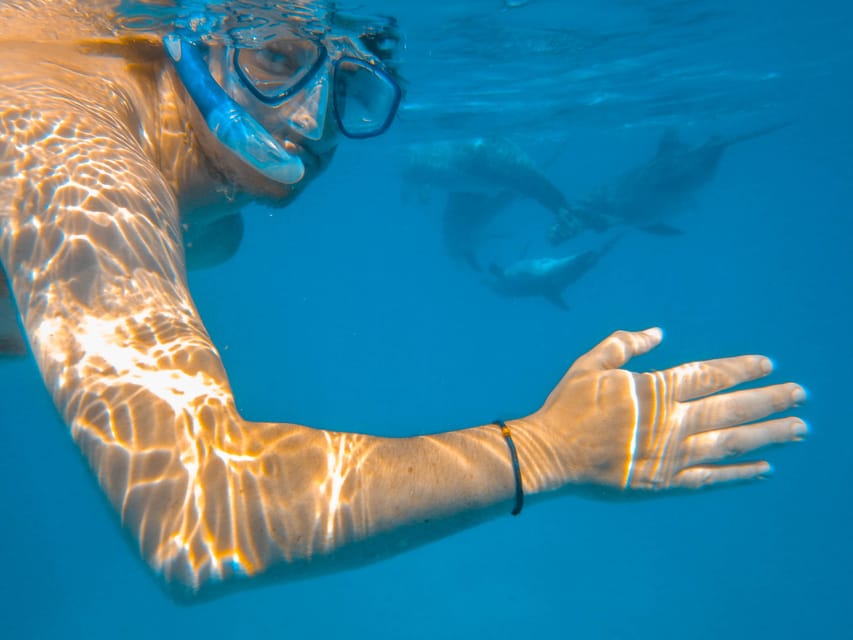
Glide across turquoise shallows on a traditional wooden dhow. Its sails catch the ocean breeze as you head to Kisite Marine Park. The water is very clear. You can see parrotfish nibbling at bright coral. Hearing dolphins whistle through the hull is a regular thrill. The journey ends on Wasini Island. There, you can wander ancient coral rag forests. You can also savor a Swahili seafood feast made with coconut and lime.

Full day. Moderate. Morning departure.
This trip merges the romance of sailing with the busy underwater world of a marine sanctuary.
Insider tip: Wear reef-safe sunscreen and bring a hat. The sun reflecting off the water is intense. Consider a waterproof case for your camera.
This month: Sea conditions in July are typically calm. This means smooth sailing and excellent underwater visibility.
3 days Masai Mara on Private 4x4 Land Cruiser

3 days Masai Mara on Private 4x4 Land Cruiser

adventure
5.0 185 reviews from $3360

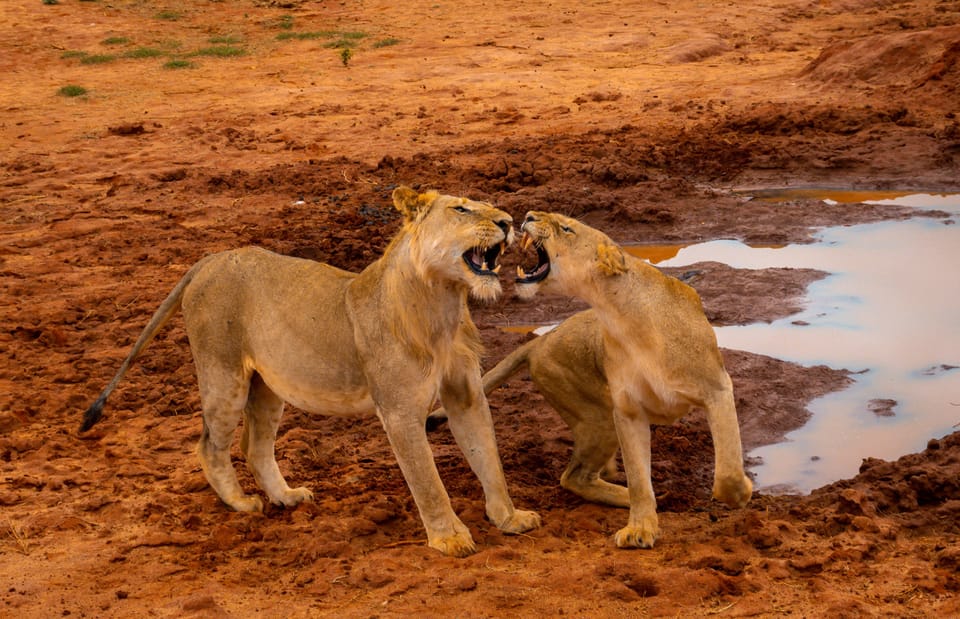
This expedition uses a private Land Cruiser to traverse Masai Mara grasslands. July's golden light casts long shadows. It illuminates dust kicked up by moving herds. Your vehicle becomes a mobile blind. You get intimate views of lion prides resting in the sun. The constant rumble of wildebeest calls fills the air. A private safari lets you linger at a riverbank. Hippos grunt and crocodiles bask there.

3 days. Expensive. Early morning and late afternoon game drives.
The privacy of a dedicated 4x4 vehicle allows a personal encounter with the Mara's wildlife drama.
Insider tip: Request a vehicle with a pop-up roof for 360-degree views. Pack binoculars for scanning distant ridges.
This month: This period matches the start of the major wildebeest river crossings in the Mara. It is a central focus for drives.
From Mombasa: Tsavo East Full-Day Safari

From Mombasa: Tsavo East Full-Day Safari

day_trip
4.4 139 reviews from $200

You depart from Mombasa's coastal humidity. You journey inland to Tsavo East National Park. It has scorched red earth and large baobab trees. The park's famous "red elephants" look like rust-colored ghosts in the dust. You might hear a distant lion's roar on the dry wind. A stop at the Yatta Plateau has a stark vista. This plateau is one of the world's longest lava flows.

Full day. Moderate. Dawn start to catch the coolest hours and most active wildlife.
It delivers a rugged safari experience of immense scale. You see well-known "red" elephants within a day's reach of the coast.
Insider tip: The Aruba Dam is a reliable spot to see animals coming to drink. This is true in the drier July conditions.
Nairobi Park Wildlife Safari

Nairobi Park Wildlife Safari

other
5.0 76 reviews from $400

Nairobi National Park presents a surreal sight. Wild rhinos and grazing herds are framed against a modern city skyline. The hum of urban life sits just beyond the acacia-dotted plains. Crisp July air carries the scent of dry grass. It carries the sharp calls of secretary birds stalking the savanna. This is a compact wilderness. You can see lions lounging and be back in the city for a late lunch.

Half day. Expensive. Morning.
It offers an immediate contrast between untamed wildlife and a major capital city, all in one morning.
Insider tip: Visit the Ivory Burning Site Memorial in the park. It is a poignant piece of Kenya's conservation history.
Masai Mara 3 Days Tour Safari Private 4WD Landcruiser

Masai Mara 3 Days Tour Safari Private 4WD Landcruiser

guided_experience
5.0 71 reviews from $1950

This tour places you in central the Mara ecosystem. You spend multiple days tracking the great migration across rolling hills. The air smells of earth and wild sage. Evenings are at a secluded camp. You listen to hyenas whooping at night. You feel a cool night breeze after a day under the equatorial sun. Extended time allows journeys to less-visited reserve sectors. Wildlife interactions there feel exclusive.

3 days. Expensive. Any day in July for migration activity.
A multi-day, private tour provides the depth needed to absorb the Masai Mara's grand scale during the migration.
Insider tip: Pack layers. July mornings in the Mara can be quite chilly in the open vehicle. They warm significantly by midday.
This month: July is a peak period for witnessing the mass movement of wildebeest and zebra across the Mara plains and rivers.
Safe and Executive Airport transfer in Nairobi

Safe and Executive Airport transfer in Nairobi

transport
5.0 37 reviews from $40

This service handles your transition from Jomo Kenyatta International Airport into Nairobi. A professional driver meets you holding a placard. You escape the press of taxi touts. You are ushered into a clean, air-conditioned vehicle for the city drive. This reliable, pre-arranged comfort comes after a long flight. It lets you immediately start absorbing the sights of Kenya's capital.

1-2 hours. Budget. According to your flight schedule.
It eliminates arrival stress in a busy foreign city. It provides safety and a comfortable journey start.
Insider tip: Confirm your flight details with the operator the day before travel. Schedules can change. This ensures your driver is waiting.

Where to Stay in Kenya in July

Hand-picked hotels across price tiers for July travellers.
July Events & Festivals

What's happening during your visit

Late June through early October. First major crossings typically begin mid-to-late July
Mara River Wildebeest Crossing Season

July is when the first big crossings hit the Mara, and no one can cancel the show. Between late June and early October, 1.5 million wildebeest shove north from Tanzania's Serengeti ecosystem, crash into the Mara River, and flood into Kenya. The river spans 30 to 50 m (98 to 164 ft) at the main crossing points, the banks fall straight into fast water, and Nile crocodiles, some 4 m (13 ft) and longer, already lurk in the pools weeks ahead of the hooves. The wildebeest know. They stall, sometimes for hours, herd pressure wrestling with individual fear until one animal leaps and the rest thunder after. July is when the first significant crossings of the season typically occur. Local guide networks on both the Kenya and Tanzania sides of the Mara track herd movements daily by radio, and seasoned camps aim their dawn game drives wherever the herds were spotted at first light.

Packing Checklist

Bookmark this page — your progress is saved between visits

Need the full list with shopping links?

Climate-specific gear, brand recommendations, and what to leave at home.

View Kenya Packing List →

Essential Tips

Insider knowledge and common pitfalls to avoid

Insider Knowledge
Night drives, bush walks, and a hard cap on minibuses, those are the three reasons the private conservancies ringing Masai Mara National Reserve beat the Reserve itself in peak July. Olare Motorogi, Naboisho, Mara North Conservancy all stay open after dark, send you out on foot with an armed guide, and limit vehicles at any sighting. Your cheetah with cubs won't be surrounded by 25 minibuses. You'll pay for the privilege, conservancy camps run higher than comparable Reserve-adjacent properties. But if Kenya is a once-only trip, the math is simple. Skip the Mara for one day, Nairobi can feed you better than you think. Karen, Lavington, and Westlands have spent the last decade sharpening their knives, and now they cut deep. Nyama choma, charcoal-roasted goat, ordered by weight, lands on the table with kachumbari, a raw salsa of tomatoes, red onion, chili, and lime that bites harder than any version you've met elsewhere. A mound of ugali, white maize porridge, sits nearby, soaking up the smoke and char like a loyal sponge. The best places are open-air roadside joints in Karen and Langata, the ones locals drive to on Saturdays, not the hotel dining rooms with their polite menus. The Mara River crossing locations shift as the migration progresses through July. Only guides on the ground track which crossing points are active day by day. They know which banks have been churned to accessible mud by previous crossings, those spots are more likely to be reused. They track where crocodile concentration is highest. The wildebeest avoid these longer. They note where the herd was sighted moving before dawn. Camps whose guide teams share radio intelligence across the ecosystem have a real edge. Camps that operate in isolation don't. When booking, ask prospective camps directly how their guides coordinate crossing information. The answer tells you something useful about the quality of the operation. Is Kenya safe? Ask the map, not the headlines. The safari spine, Nairobi, Masai Mara, Amboseli, Rift Valley lakes, Mount Kenya, runs like a well-oiled machine in July, choked with tour buses, rangers, and satellite phones. Operators have drilled every scenario. Medevac birds sit on standby. Same month, same circuit, zero surprises. Flip the map east. A 500-km band brushing Somalia and the far northeast is a different country in every sense, no embassies, no backup, no go for indie travelers. Leave it to the aid convoys. Inside the tourist loop, treat Nairobi like you would Lagos or Bogotá: keep the Canon in the bag on River Road, whistle for an Uber or a driver your hotel vetted, and you'll wonder why you ever worried. July here is as safe as boarding a flight to Frankfurt, provided you use the same city brain.
Avoid These Mistakes
Two nights in the Masai Mara won't cut it if you river crossing is on your bingo card. That booking buys four game drives, morning, afternoon, morning, afternoon, then you're out. Crossings refuse to run on schedule. Four outings gives you almost no buffer. Guides who've logged 20 years in the Mara keep saying the same thing: stay four nights minimum if you want the odds to tilt your way. Travelers argue, book two anyway, and some hit the jackpot. More fly home having watched plenty of wildlife. But no crossing, while they do the mental math on what one extra night would've cost. July is the month when the Mara delivers its best cats-and-crossing drama. Yet the Indian Ocean answers back with the Kusi monoon. Diani Beach and Watamu still serve sun. But the sea turns lumpy, visibility drops to 8 m, trade winds whip at 25 knots, and dive boats cancel more often than they'd like. You can pair the two. Plenty do. Just know you're trading postcard calm for safari gold. Rougher seas, reduced diving visibility, more wind: the coast in July won't hide its mood. The interior highlands, meanwhile, are extraordinary, crisp mornings, short grass, predators everywhere. This is not a fatal combination but it is suboptimal in a way that is worth understanding before committing. Travelers who want both safari and coast typically do better splitting across two trips, or pairing July safari with a coast extension in a different month altogether. 5:45 a.m. in the Mara: 12°C (54°F) at altitude, wind knifing across an open roof. Shorts won't cut it. Travelers schooled on equatorial Africa pack only tees and find themselves sh4ivering so hard they miss the leopard. Bring a fleece and a light jacket, minimal luggage, maximum payoff. Four hours of cold versus four hours of comfort is the gap between spotting that leopard with full attention and spotting it while your teeth do a dance.
Explore More Activities in Kenya

Didn't see anything interesting yet?

Browse Viator's full catalog of tours, day trips, food experiences, and private guides in Kenya.

See All Kenya Tours on Viator