What to Pack for Kenya
Complete packing checklist tailored to Kenya's climate and culture
Climate Overview for Kenya
Kenya's temperate climate delivers warm days and cool nights from the highlands to the coast. Midday sun bites hard, a dry heat that sends you hunting shade. Air turns crisp after sunset, in elevated regions like the Maasai Mara. Mornings on safari start cool, damp breeze carrying dew on grass. The coast near Mombasa stays humid, salty tang of the Indian Ocean in every breath. Inland areas feel drier. Pack layers you can peel off under midday sun and bundle back on as evening falls, insects chorus and wildlife calls in the distance.
Clothing & Footwear
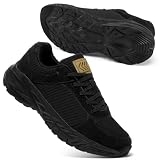
Dusty red roads and uneven terrain on walking safaris in places like Amboseli demand supportive shoes. You will see your footprints in soft earth and feel dry grit between toes.

Daytime warmth plus limited laundry facilities on a Kenya itinerary make quick-drying fabrics practical. You will appreciate the comfort after a day under the sun.

Internal flights on small planes within Kenya have strict weight limits. These cubes maximize space and keep safari dust away from cleaner city clothes for Nairobi.

Good for carrying a sun hat, water, and binoculars during day trips in Kenya, from markets to nature walks. It folds away when not needed.
Electronics & Gadgets
Kenya uses Type G British-style plugs. A universal adapter ensures you can charge devices in lodges and city hotels, where outlets can be sparse.

Long game drives in Kenya's national parks often lack charging ports. This keeps your camera alive to capture a lion's tawny coat in golden light.
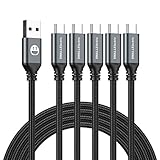
Extra cables are useful as the dust of the Kenyan savanna can wear on connections. You will hear the click of your camera battery slot frequently.
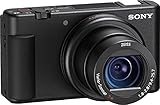
A capable, portable camera is good for capturing the detailed beadwork of Maasai artisans or the sudden flash of a lilac-breasted roller in flight across the Kenyan landscape.

Older lodges in remote parts of Kenya may have few outlets. This lets you charge multiple devices from a single point, wood smoke drifting from the evening fire.
Toiletries & Health

A clear, organized bag simplifies security checks and keeps essentials accessible when moving between camps and cities in Kenya.

For minor scrapes, blisters, or headaches while on safari, far from pharmacies. The dry air and dust in Kenya can cause irritation.

Solid bars avoid liquid spills in your bag during bumpy transfers on Kenyan roads and are eco-friendly, reducing plastic waste.

Critical for managing prescriptions reliably throughout a busy Kenya itinerary, where routines change daily.
Documents & Security
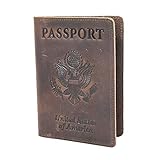
Keeps your Kenyan visa, passport, and yellow fever certificate organized and protected in crowded urban areas like Nairobi markets.

A discreet way to carry larger amounts of Kenyan shillings for souvenir purchases, leaving your daypack free for a water bottle and sun cream.
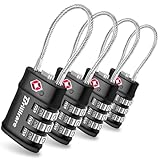
Use these to secure your bags during overnight stays or when leaving luggage with hotel porters in Kenya.
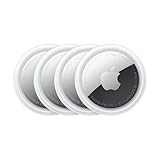
Provides peace of mind for tracking bags on complex itineraries through multiple Kenyan airports and remote airstrips.
Comfort & Convenience

Essential for sleeping on early-morning game drives or during midday rests when the Kenyan sun is high and bright.
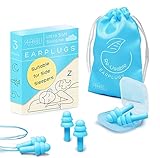
Lodges near nature reserves are alive with sounds: the grunt of hippos, bird calls at dawn, wind through acacia trees. These help ensure rest.
Saves space when empty and is important for staying hydrated in Kenya's dry climate. You will taste the dust in the air without enough water.
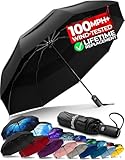
Sudden, short downpours can occur, in the highlands. This provides quick shelter without taking much room.

Useful for carrying purchases from local markets in Kenya, like the Maasai Market in Nairobi, where you might smell leather and hear bargaining.
Outdoor & Hiking Gear
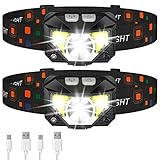
Necessary for navigating to your tent after dark at a bush camp in Kenya, where paths are lit only by stars and the beam of your light.

A safeguard for multi-day treks in remote areas of Kenya, ensuring access to safe drinking water from streams and rivers.
Seasonal Packing Adjustments
What to add or skip depending on when you visit
Long Rains
April, May, November
Add: Lightweight rain jacket, Quick-dry trousers, Waterproof bag covers
Shop Long Rains essentials →Mornings often start clear, with afternoon showers turning roads muddy. You will hear heavy rain drum on lodge roofs and smell the petrichor. Game viewing is still excellent, with fewer visitors.
Dry Season
June, July, August, September, October
Add: Lip balm, Heavier layer for evening, High-factor sun cream
Shop Dry Season essentials →Skip: Heavy rain gear
Days are sunny and warm. But nights on the Kenyan plains can be surprisingly cold. You will feel a chill in the air at dawn on a game drive and see animals congregating at waterholes.
Luggage Recommendation
Pack soft. A soft-sided duffel or hybrid soft-shell suitcase beats any large hard-shell spinner in Kenya. It slides into the narrow cargo holds of small safari vehicles and charter planes without a fight. Bring a 22-inch carry-on, add a personal daypack, and you are set. Most lodges run same-day laundry. Travel light. Move fast.
Shop Carry-On Luggage on AmazonPro Packing Tips
Practical advice from experienced travelers
Don't Pack
- Excessive amounts of bottled water. It is bulky. Most safari lodges and camps in Kenya provide safe drinking water for refilling your bottle.
- Heavy hiking boots unless you are specifically mountain climbing. For most safaris and walks in Kenya, comfortable walking shoes are sufficient.
- A full set of formal clothing. Dress codes in Kenya, even at nicer lodges, are smart-casual. A collared shirt and neat trousers or a sundress are typically adequate.
- Large, expensive jewelry. It is impractical for the conditions and unnecessary.
- Many hardcover books. They are heavy. An e-reader is a better option for downtime in Kenya.
- Your own beach towels. All hotels and lodges in Kenya provide them.
Buy Locally
- A local SIM card from Safaricom or Airtel. Kiosks at Jomo Kenyatta International Airport in Nairobi sell them. Data plans are affordable and coverage in Kenya is good.
- Kenyan shillings in moderate amounts. While cards are accepted in many places, having local currency is essential for markets, tips, and smaller vendors. Withdraw or exchange upon arrival.
- A traditional kikoi or Maasai shuka. These colorful cotton wraps are practical as a light blanket, sarong, or picnic sheet. You can buy them authentically at local markets like the Maasai Market in Nairobi.
- High-quality coffee or tea. Kenya produces excellent coffee and tea, available at better prices in local supermarkets or at the airport duty-free than abroad.
Packing Hacks
- Roll clothes instead of folding to save space
- Pack shoes in shower caps to protect clothes
- Use packing cubes to stay organized
- Keep essentials in your carry-on
Continue Planning Your Trip
More guides to help you prepare
Ready to plan your trip to Kenya?
Now that you've got the research covered, here's where to go next.